
In the vast world of acting techniques, one name stands out above all others: Konstantin Stanislavski. This renowned Russian theatre practitioner significantly transformed the art of acting in the 20th century and continues to influence acting training and performances worldwide. The Stanislavski System, often referred to as “Stanislavski’s Method” or simply “The Method,” is a holistic approach to acting that prioritizes truth and authenticity in performance. This revolutionary system, deeply embedded in psychological realism, encourages actors to create believable characters and emotionally compelling performances.
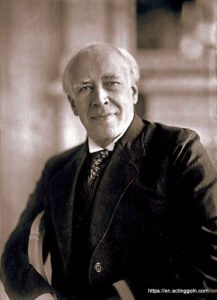
Table of Contents
The Stanislavski System

Stanislavski: The Man Behind the Method
Konstantin Stanislavski, born Konstantin Sergeyevich Alexeyev, was a Russian actor and director who co-founded the Moscow Art Theatre in 1898. Throughout his life, he developed a detailed and practical system of actor training, which has since had a profound influence on performance worldwide.
Stanislavski believed that to create a realistic character, actors must do more than merely deliver lines; they must fully inhabit their characters, understanding their motivations, emotional life, and psychology. His system was a stark departure from the declamatory, externally focused style of acting that prevailed during his time.

Components of the Stanislavski System
The Stanislavski System comprises several components, each focused on different aspects of performance. It’s a multi-faceted approach, designed to address the various challenges actors face when building a character and delivering a truthful performance.
- Relaxation: Stanislavski emphasized the importance of an actor being physically relaxed on stage to maintain concentration and allow a free flow of emotional expression. Any unnecessary tension can block the actor’s ability to react and respond truthfully in the moment.
- Concentration and Observation: This element trains actors to focus their attention onstage and offstage, reacting organically to the world of the play and observing their surroundings in detail. This detailed observation feeds the actor’s imagination, critical in building a believable character.
- Importance of Specifics: Stanislavski advocated for specificity in all things, from an actor’s objectives to their physical actions. By focusing on specifics, actors can create a richer, more detailed performance.
- Inner Truth: At the heart of the Stanislavski System is the search for inner truth or emotional honesty. The actor must believe in the circumstances of the play, thus enabling truthful reactions and interactions with other characters.
- Action Onstage: According to Stanislavski, every action onstage must pursue a specific objective. This objective-oriented performance adds a sense of purpose to the actors’ performances and contributes to the overall truthfulness of the scene.
- Through line of Actions: This concept encourages the actor to discover the main objective of their character and the smaller objectives or “beats” that lead towards it. This process creates a cohesive and believable character journey.
- Ensemble Playing: Stanislavski highly valued the importance of ensemble work, where all actors work together for the good of the entire performance. He believed that a successful performance relies on the harmonious interaction and mutual responsiveness of all actors involved.

The Magic ‘If’ and Emotional Memory
Among Stanislavski’s contributions, two concepts stand out: the Magic ‘If’ and Emotional Memory. The Magic ‘If’ is a creative condition that stimulates the actor’s imagination. The actor asks themselves, “What would I do if I were in my character’s situation?” This technique encourages actors to respond truthfully to their characters’ circumstances.
Emotional Memory, often misunderstood or controversial, is another critical component of the Stanislavski System. It encourages actors to recall sensations attached to personal experiences similar to their characters’, aiming to generate genuine emotional responses on stage. However, Stanislavski later moved away from this technique due to concerns about its potential psychological harm, focusing more on physical actions to evoke emotions.
Legacy and Influence of the Stanislavski System
Stanislavski’s techniques have had a profound impact on the world of acting. His books, “An Actor Prepares,” “Building a Character,” and “Creating a Role,” are still widely read and revered. Many acting schools and methodologies, including the American Method Acting, have roots in Stanislavski’s work.
Indeed, renowned actors and teachers like Lee Strasberg, Stella Adler, and Sanford Meisner have each developed their own interpretation of Stanislavski’s principles, significantly shaping modern acting techniques. From Marlon Brando to Meryl Streep, many famous actors have employed methods derived from Stanislavski’s system in their critically acclaimed performances.
In conclusion, the Stanislavski System revolutionized the art of acting by bringing a depth of psychological truth and emotional authenticity to performance. By emphasizing the importance of understanding a character’s motivation, using personal experiences, and focusing on specifics, Stanislavski created a comprehensive method that continues to influence actors today. Despite being over a century old, his system remains a foundational pillar in the world of acting, reflecting its timeless relevance and effectiveness.