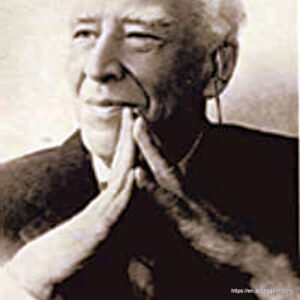
Method acting, in its purest form, is a technique wherein actors seek to become the characters they portray, exploring their emotional and psychological depths. This method of acting developed from the teachings of Konstantin Stanislavski, a Russian theatre director, who believed that to create an authentic performance, the actor must “live the part.” This principle was then expanded upon by American teachers like Lee Strasberg, Stella Adler, and Sanford Meisner, who shaped method acting as we know it today.
Table of Contents
Method Acting

A Brief History of Method Acting
Method acting traces its origins back to Stanislavski’s system developed in the early 20th century. His ideas were brought to America by the Group Theatre in the 1930s, where they continued to evolve. Strasberg, one of the key figures of the Group Theatre, co-founded the Actors Studio in New York in 1947, a haven for professional actors to explore and refine their craft.
Strasberg’s interpretation of Stanislavski’s work led to the development of “the Method.” He focused on the concept of “emotional memory,” where actors use their past experiences to tap into the emotional life of their characters. This concept was controversial and also led to misunderstandings about method acting, leading some to believe that it requires actors to lose themselves entirely in their roles, often to their detriment.

Components of Method Acting
Emotional Memory:
Emotional memory involves recalling past experiences to evoke the emotions required for the role. The idea is to create a more authentic performance by aligning the actor’s emotional state with that of the character’s.
Sense Memory:
This technique focuses on sensory experiences. Actors recall the sensations associated with specific experiences to create a deeper connection with their characters. For instance, an actor might remember the smell of their grandmother’s kitchen to invoke a feeling of nostalgia.
The “Magic If”:
Originally introduced by Stanislavski, the “Magic If” is a mental technique that prompts the actor to imagine how they would feel and behave “if” they were in the same situation as their character. This helps the actor form a personal connection to their character’s circumstances.
Substitution:
Substitution involves replacing the character’s experiences or relationships with the actor’s own. For example, an actor might replace the character’s relationship with a sibling with their own relationship with their sibling.
Animal Exercises:
Actors might study and emulate the behaviors and movements of animals to help shape the physicality of their character.
Method Acting in Practice
Method acting, when applied judiciously, has led to some of the most unforgettable performances in film and theatre history. Marlon Brando, a student of Stella Adler, is often hailed as a pioneer of method acting, particularly for his performance in ‘A Streetcar Named Desire.’ His portrayal of Stanley Kowalski, with its raw emotional intensity, showcased the transformative power of the Method.
In more recent times, actors like Daniel Day-Lewis and Christian Bale have famously used method acting techniques. Day-Lewis, known for his complete immersion into his roles, learned to speak with a stammer for ‘My Left Foot’ and confined himself to a wheelchair for the entire shoot. Meanwhile, Bale underwent dramatic physical transformations for roles in ‘The Machinist’ and ‘Batman Begins,’ embodying his characters to the point of endangering his health.
While these examples demonstrate the power of method acting, it’s important to note that the Method should serve the actor, not the other way around. Using these techniques doesn’t require personal sacrifice or self-destruction. It’s about using personal experiences and observations as tools to understand a character deeply, not about becoming the character off-stage or off-set.
Method Acting: A Path to Authenticity
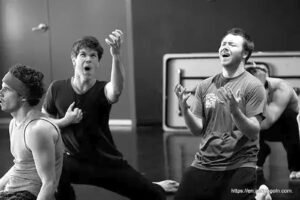
Method acting can be a powerful tool for actors seeking to create truthful, compelling performances. It provides a framework for understanding a character’s psychology, motivations, and emotional life. By drawing on their experiences, actors can form a genuine connection with their characters, lending authenticity and depth to their performances.
But like any tool, it’s only as good as its use. Method acting should be a means to an end, not an end in itself. It’s essential to remember that acting is about pretending truthfully, not living out a character’s life offstage. The goal of any actor should be to create a vivid, believable character that serves the story, whether they use method acting or other techniques.
Furthermore, it’s vital to take care of one’s mental health when exploring the depths of a character. The process of delving into emotional memories and intense feelings can be psychologically taxing. Actors should remember to ground themselves and differentiate their lives from those of their characters.
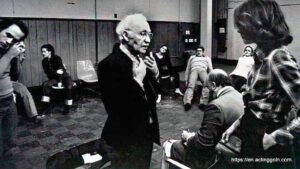
In conclusion, method acting, when applied with caution and understanding, can be a powerful tool in an actor’s toolkit. It’s not the only way to approach acting, but for those who resonate with its techniques, it can provide a pathway to profound, deeply felt performances. At its heart, method acting is about the pursuit of truth in performance – a goal that every actor, regardless of their preferred technique, can surely identify with.