Manoj Kumar, a celebrated filmmaker and actor in Hindi cinema, left a lasting mark with iconic films such as Upkar, Purab Aur Paschim, and Roti Kapada Aur Makaan. Renowned not only for his acting but also for his directorial contributions, he was instrumental in shaping the mainstream Hindi cinema of his era. His work was a blend of impactful storytelling and social consciousness, making him one of the most significant figures in Indian film history.
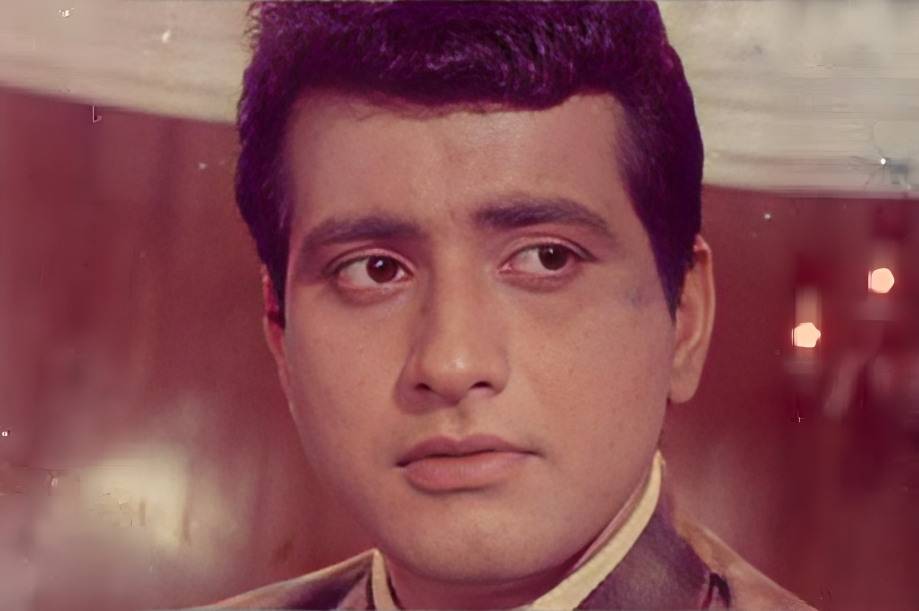
Despite being celebrated today as one of the most revered personalities in Indian cinema, Manoj Kumar’s journey to success wasn’t entirely planned. Reflecting on his career, he often remarked that he never intended to direct. His directorial debut was not the result of any grand plan, but rather a turn of fate during the making of Shaheed (1965), where he ended up directing parts of the film unofficially. Later, it was the patriotic sentiment raised by Lal Bahadur Shastri’s iconic slogan “Jai Jawan Jai Kisan” that inspired him to direct Upkar (1967), which became a major hit.
Table of Contents
A Letter from His Father
One of the most poignant moments of his career came when Manoj Kumar left his home in Delhi in 1956 to pursue a career in acting in Mumbai. His father, a poet and philosopher, gave him a letter that contained a piece of advice that would guide him throughout his life. In the letter, his father wrote, “My blood can never commit blunders, only mistakes.” This heartfelt message became a significant touchstone in Kumar’s life and career, serving as a reminder that while mistakes were inevitable, he should strive to avoid making irreversible errors.
“I made mistakes in my career. But not blunders,” Manoj Kumar often reflected, attributing his success and growth to the wisdom passed on by his father.

The Birth of Roti Kapada Aur Makaan
Another significant chapter in Manoj Kumar’s career was the creation of Roti Kapada Aur Makaan (1974), one of his most memorable films. He shared the inspiration behind the film’s title during an interview, revealing how a school event in his youth sparked the idea. “When I was in class 8, a senior student named Dewan at a school function chanted, ‘Maang raha hai Hindustan roti kapada aur makaan.’ That’s where the idea came to me,” said Kumar. The film’s contemporary relevance stemmed from the socio-economic concerns of the time, particularly focusing on the struggles of the common man.
In addition, Kumar explained that the plot of the film was inspired by a 1972 newspaper report about a young graduate who tore up his degree in front of the vice-chancellor after receiving it. The incident, which symbolised the disillusionment with the education system and job market, served as a driving force for the film’s narrative.
Manoj Kumar’s Views on Romance and Cultural Values
Throughout his career, Manoj Kumar maintained a strict adherence to the cultural values he cherished, particularly regarding the portrayal of romance in his films. Reflecting on his personal values, he shared a memorable anecdote from a family trip to Hardwar. “I was in Hardwar with my children once when I heard ‘Haye Haye Yeh Majboori’ early in the morning at 4 am on the loudspeaker. I found that funny,” he recalled. He went on to explain the irony of his character in Bharat, who was unable to join the heroine in a rain-soaked romantic scene because he had to go for a job interview.
This led to a deeper conversation about his discomfort with on-screen intimacy. “In the culture that I come from, men didn’t touch women before marriage. Trust me, it was very hard for me to not touch my heroine and still create romance. It used to be a nightmare,” he confessed. This conflict was particularly pronounced in Purab Aur Paschim (1970), where his character, Bharat, had to maintain a strict sense of propriety even as he portrayed a romantic storyline with Saira Banu, who played a half-British character. “It took all my willpower to protect the sanctity of my hero Bharat,” Kumar admitted, reflecting on the cultural values he held dear.

Legacy of Manoj Kumar
Although Manoj Kumar is no longer with us, his legacy continues to inspire filmmakers, actors, and cinephiles alike. His films, which often highlighted themes of patriotism, social responsibility, and the struggle of the common man, remain timeless. Through his work both as an actor and a director, Manoj Kumar gave Hindi cinema some of its most memorable and socially relevant films, forever shaping the landscape of Indian cinema.
Notable Films Directed by Manoj Kumar
| Year | Film Title | Genre/Theme |
|---|---|---|
| 1967 | Upkar | Patriotic Drama |
| 1970 | Purab Aur Paschim | Patriotism & Cultural Clash |
| 1974 | Roti Kapada Aur Makaan | Socio-Economic Issues |
| 1976 | Shor | Social Drama |
| 1976 | Kshatriya | Action/Adventure |
Manoj Kumar’s extraordinary journey from a young aspirant in Mumbai to one of Bollywood’s most respected filmmakers is a testament to his dedication, resilience, and the values instilled in him by his family. His stories continue to resonate with audiences, ensuring that his place in cinematic history remains secure for generations to come.