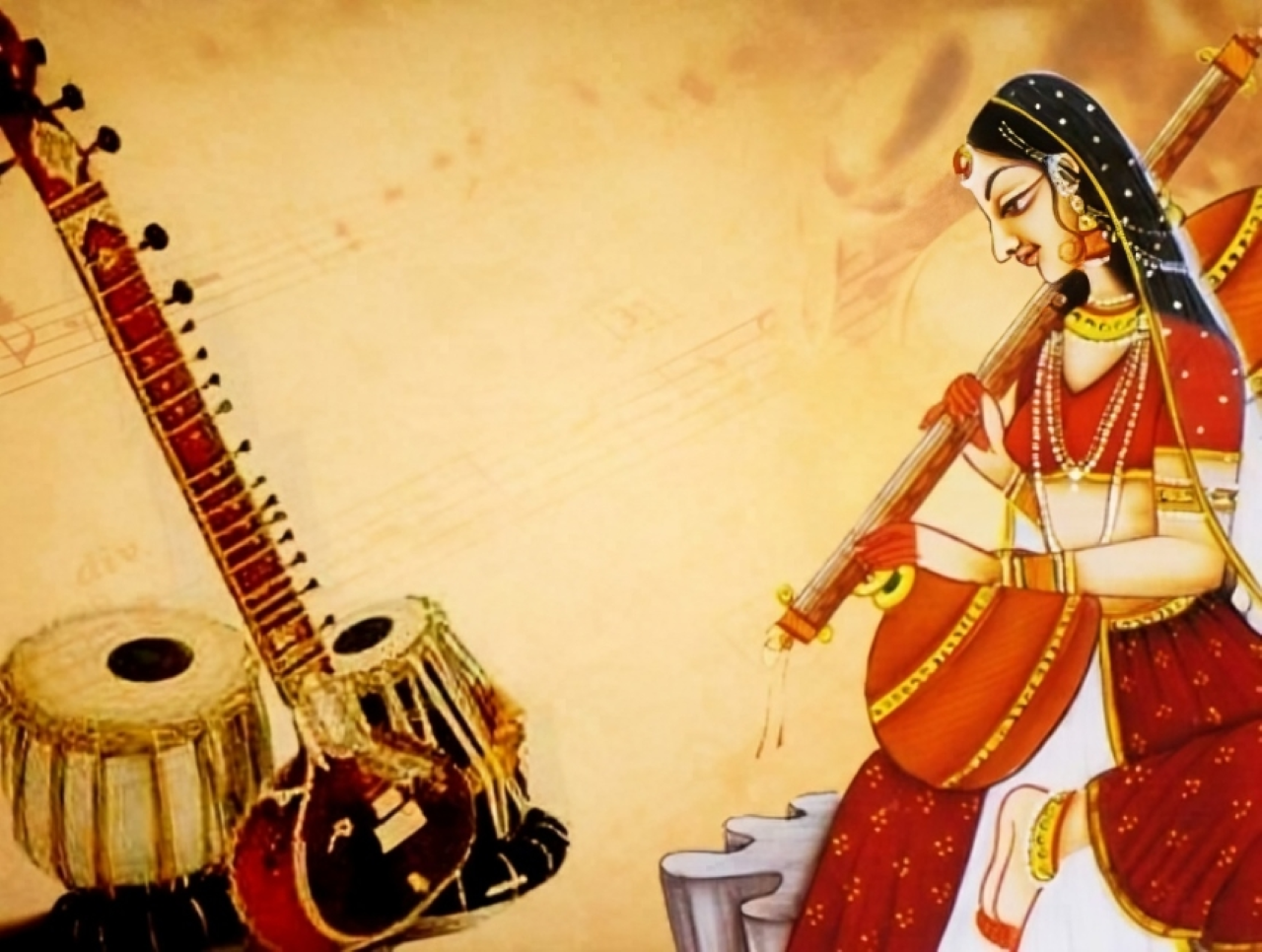
Acting and music—two distinct yet deeply interconnected art forms. Acting communicates through speech, body, and expression; music through voice, rhythm, and emotion. While they stand as separate disciplines, music education can be transformative for an actor. Far from being a mere supplement, music becomes a gateway to the emotional depth and technical mastery that acting demands.
Table of Contents
The Role of Music in Acting: A Deeper Connection
Heightened Emotional Depth
At its core, music is emotion. A singer pours feeling into melody, just as an actor breathes life into words—or silence. Music education sharpens emotional sensitivity, enabling actors to embody characters with greater truth and nuance.
Voice Training & Vocal Control
Through music training, actors learn vocal modulation, tonal balance, and clear articulation—skills critical for powerful stage and screen presence. Mastery of pitch, tempo, and delivery translates directly into commanding dialogue.
Breath Control & Vocal Endurance
Classical forms like Indian ragas or Nazrul/Rabindra Sangeet emphasise breath discipline. This not only supports sustained dialogue delivery but also builds stage presence, poise, and vocal stamina—essential under the lights or on camera.
Body Rhythm & Physical Expression
Every movement in acting—walking, turning, standing, even stillness—has an underlying rhythm. Musical training enhances awareness of this internal tempo, especially vital in musical theatre, choreographed sequences, or physically expressive roles.
Sharpened Listening & Sensitivity
Music hones listening skills. Great actors don’t just recite lines—they listen, react, and interact. This responsive acting, rooted in awareness and empathy, deepens with musical practice.
From Musical Skill to Acting Mastery
Below is a breakdown of how specific musical abilities translate into acting strengths:
| Musical Skill | Acting Application |
| Voice control | Vocal modulation and tone variation in dialogue |
| Knowledge of ragas and rhythm | Emotional layering, rhythmic dialogue delivery |
| Laya (tempo) & tala (beat) training | Graceful movement, synchrony in musical or choreographed performances |
| Listening exercises | Enhanced focus and responsiveness in scenes |
| Breath control | Projected speech, strategic pauses, calm presence |
| Memorisation of songs | Dialogue memorisation and rhythmic presentation |
| Self-discipline & concentration | Emotional restraint and expressive clarity in intense scenes |
✅ How Should an Actor Integrate Music Training?
- Start with the Basics
Begin with 1–2 years of foundational music training in any classical tradition—Hindustani, Nazrul Sangeet, or Rabindra Sangeet.
- Incorporate Vocal Exercises into Daily Practice
Before acting rehearsals, warm up with vocal exercises such as “Sa-Re-Ga-Ma…” to open the voice and improve pitch accuracy.
- Record & Analyse
Record your lines and songs regularly. Play them back to identify flaws in pitch, diction, or rhythm.
- Use Songs to Understand Characters
Explore folk music, musical theatre, or baul traditions to deepen your emotional connection to a character.
- Practice Dialogue in Musical Rhythm
Experiment with delivering lines in tempo or with deliberate pauses to find the rhythm of the scene.
- Engage with Theatrical Music
Work with background scores or original compositions to create a seamless bridge between music and performance.
️ How Much Musical Practice Does an Actor Need?
| Stage | Suggested Practice Routine |
| Beginner | • 20–30 minutes daily voice and raga practice • Attend 2 classes or workshops weekly |
| Intermediate | • 30–45 minutes of daily training • Weekly vocal recording and review |
| Experienced | • Minimum 3 sessions per week (30 minutes each) • Increase intensity as per character needs |
Music—The Actor’s Inner Instrument
Music doesn’t merely teach an actor how to sing or listen—it teaches them how to feel. It reveals the pulse within silence, the melody in movement, and the rhythm of emotion.
An actor trained in music brings a special cadence to their voice, a natural rhythm to their body, and an emotional resonance to their performance. Music, in this sense, becomes not just a support—but an inner instrument of artistry.
“An actor who understands music has rhythm in speech, grace in movement, and melody in expression.”