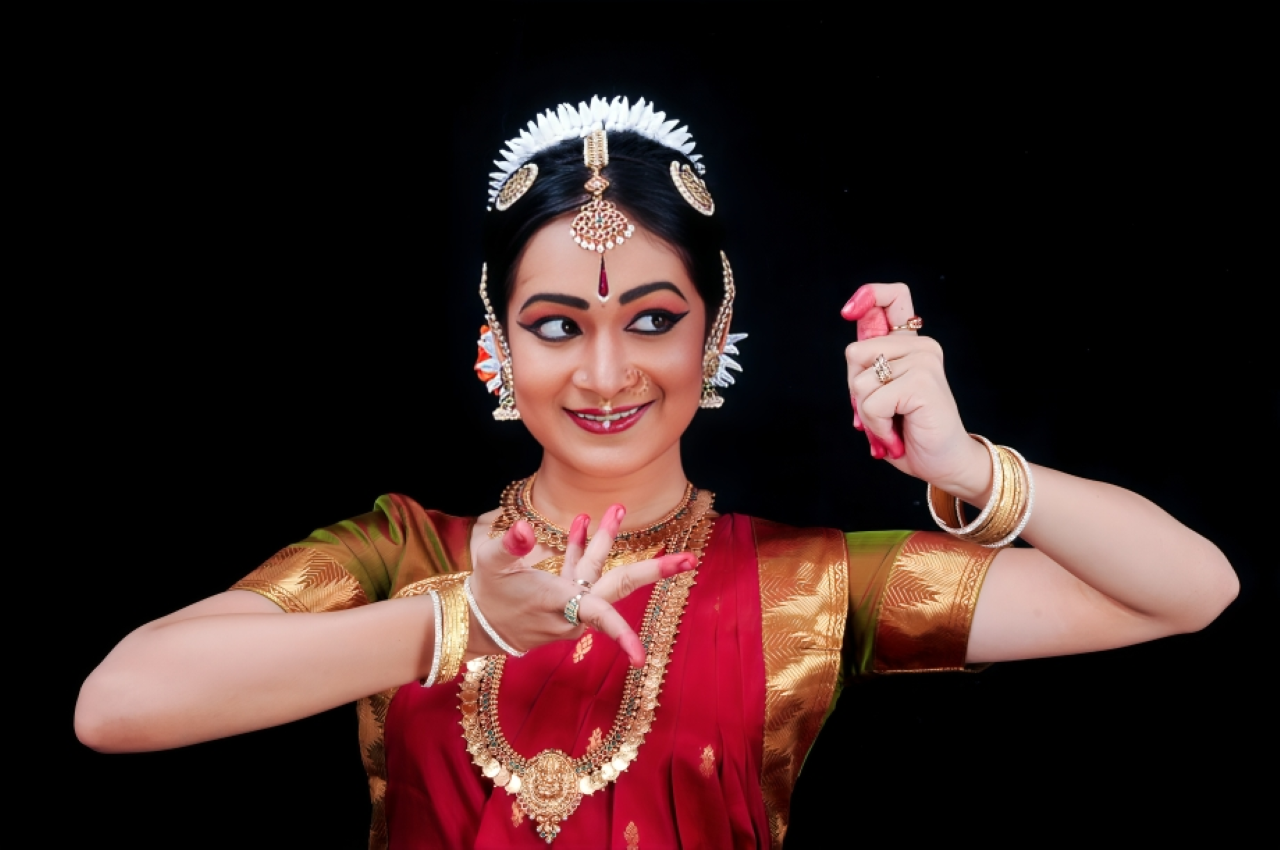
Acting is a layered, multidimensional art form. It is not merely the skill of delivering dialogue; it is a dynamic expression that encompasses body, voice, mind, spirit, and emotion. A true actor embodies a character not just intellectually but physically and emotionally. To prepare the body to be responsive, agile, aware, and sensitive, the most effective artistic discipline is dance. Dance, as a holistic physical-mental practice, provides a powerful foundation that can greatly enrich an actor’s craft.
Table of Contents
The Art of Body Awareness and Control
“Acting begins with the body and expresses itself through emotion.”
Learning dance is the first step in becoming fully conscious of one’s body.
From the fingertips to the shoulders, eyes, eyebrows, knees, and feet—dance cultivates detailed physical awareness and control.
In both stage and screen performance, body language becomes a central mode of communication.
Dance helps refine:
- Posture
- Walking
- Sitting
- Standing
- Turning and gestures
✅ Example:
An actor portraying a historical character (such as a king, emperor, or soldier) must move and hold themselves in a way that reflects the period. Dance training teaches that physical discipline and presence.
Facial Expression and Emotional Nuance
“Acting is reacting—does the soul speak through the face?”
In classical Indian dance forms like Bharatanatyam, Kuchipudi, and Odissi, facial expression is central to storytelling.
These forms train performers in the Navarasa, the nine core emotional states:
| Rasa (Emotion) | Expression |
| Hāsya (Laughter) | Joy, humour |
| Karuṇa (Compassion) | Sorrow, empathy |
| Raudra (Fury) | Anger, power |
| Vīra (Heroism) | Courage, confidence |
| Bhayānaka (Fear) | Terror, anxiety |
| Bībhatsa (Disgust) | Revulsion |
| Adbhuta (Wonder) | Amazement, awe |
| Śānta (Peace) | Tranquility, calm |
| Śṛṅgāra (Love) | Romance, attraction |
✅ Example:
Close-up shots in cinema often require actors to express powerful emotion without speaking a word—only through the eyes and face. This ability is honed through classical dance.
Rhythm, Tempo, and Theatrical Timing
⏱️ “Acting is timing.”
Through dance, actors develop:
- Rhythmic sense
- Use of pause
- Flow of dialogue
- Understanding dramatic tempo
In theatre especially, this awareness of pace helps with delivery and scene timing, making performances more compelling and dynamic.
Physical Flexibility and Stamina
Acting demands physical adaptability. From running and combat scenes to standing in character for extended periods, the body must be prepared.
Dance cultivates:
- Endurance
- Muscle flexibility
- Core balance
- Rhythmic coordination
This physical conditioning simplifies demanding acting sequences and prevents fatigue during long shoots or performances.
Spatial Awareness and Performance Positioning
“The stage is not a surface—it’s a space you must command.”
An actor must understand how to move within space, whether on stage or in front of a camera.
Dance trains performers in:
- Stage geography
- Movement design
- Staying within frame or focus (especially important in film)
It supports technical aspects like marking, blocking, and framing, making movement seamless and intentional.
Mime, Non-Verbal Acting, and Choreographed Sequences
Dance enables actors to perform in:
- Non-verbal mime scenes
- Musical and fantasy sequences
- Emotionally expressive choreography
Such scenes are increasingly common in modern theatre, music videos, and OTT series. Dance empowers actors to communicate emotions purely through movement.
Confidence, Grace, and Stage Presence
Dance instils a natural poise and confidence in performers:
- Movement becomes elegant
- Presence becomes commanding
- Personality becomes charismatic
These traits are invaluable not only in acting but also in auditions, interviews, media appearances, and promotional events.
Professional Versatility and Multi-Skilled Identity
Today’s performers must be more than just actors. They need to be multi-talented, often blending singing, dancing, and acting.
Dance training opens doors to:
- Musical films
- Theatre and fashion shows
- Hybrid performances (stage-TV-OTT-cinema)
- Choreographic or performance roles
Being a well-rounded artist increases both artistic credibility and job opportunities.
Mental Focus and Artistic Discipline
Dance develops:
- Rigorous discipline
- Heightened concentration
- Self-control and patience
These qualities contribute to a strong, consistent professional life and long-term success in the performing arts.
Dance Completes the Actor
Dance is more than a physical skill; it is a way of life that:
- Prepares the body
- Deepens emotional range
- Enriches stage and screen presence
An actor’s body is their canvas. Dance is the magical brush that adds depth, detail, and finesse.
It doesn’t merely teach movement—it cultivates a complete performer.
To delve deep into acting, one must align body, mind, and soul—and dance is the practice of that very alignment.
Practical Advice for Aspiring Actors:
If you are serious about pursuing an acting career:
- Commit to at least 6 months to 1 year of classical or contemporary dance training.
- Combine theatre education with dance instruction.
- This dual training will dramatically expand your expressive range and physical fluency.
Dance might just be your secret key to success in the acting world.