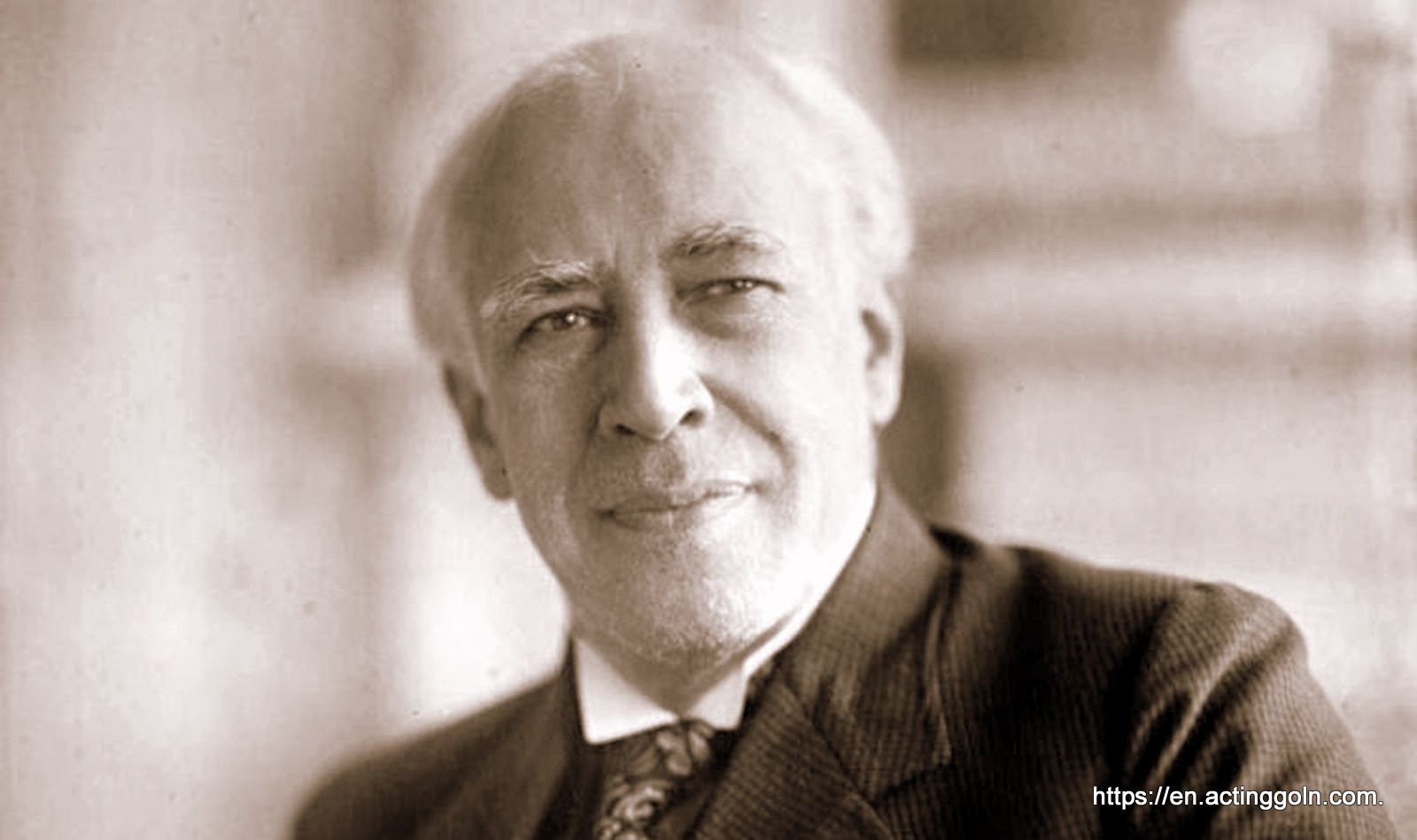
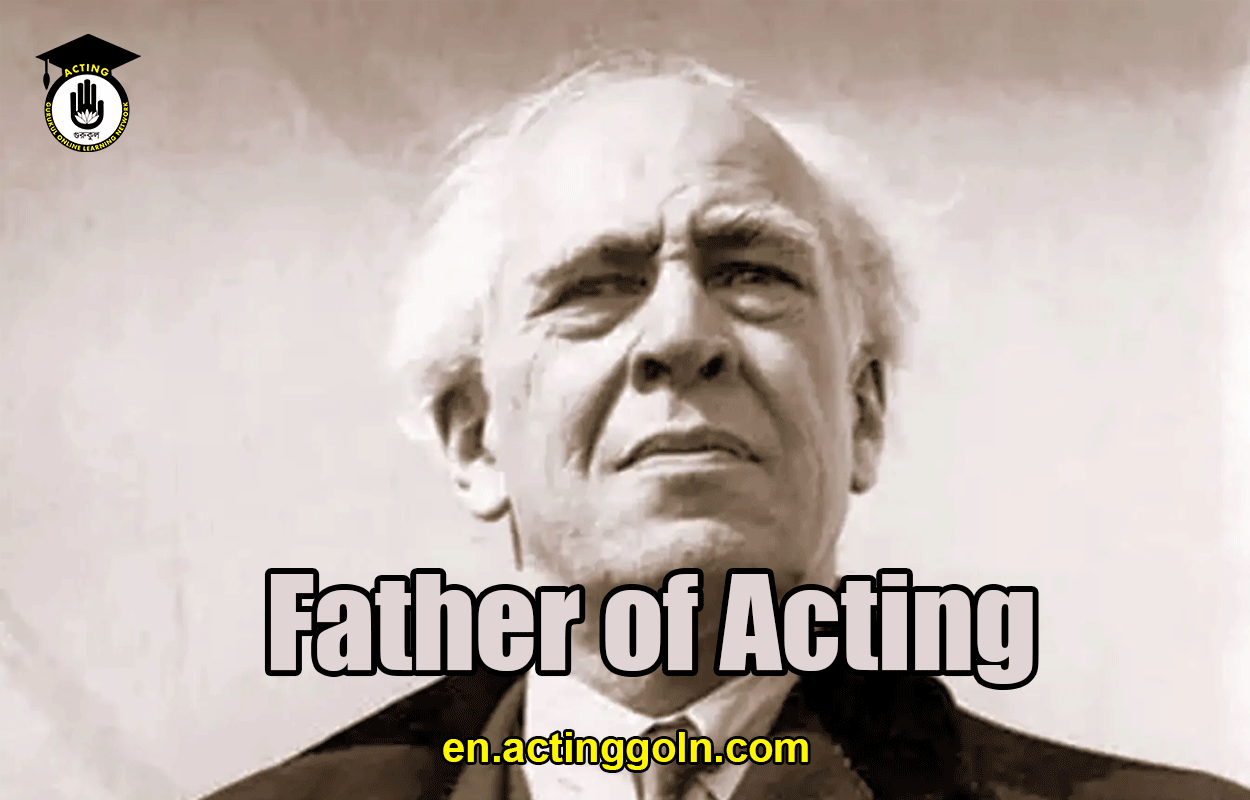
The title of “Father of Acting” is frequently attributed to Konstantin Stanislavski, a Russian actor and director whose revolutionary ideas transformed the craft of acting in the early 20th century.
Konstantin Stanislavski, The Father of Acting
Born in 1863 in Moscow, Stanislavski developed an interest in theatre from a young age. By his early adulthood, he had established himself as a successful actor and director. However, he was dissatisfied with the prevailing style of acting, which relied heavily on external techniques such as exaggerated gestures and vocal inflections.
In his quest for a more authentic and truthful form of acting, Stanislavski developed a pioneering system that focused on internalising a character’s emotions and motivations. His “Method of Physical Actions” encouraged actors to thoroughly analyse their character’s psychological and emotional state, complemented by physical exercises designed to help embody these states.
Stanislavski’s approach was groundbreaking and had a profound impact on both theatre and film. His system inspired generations of actors and directors, leading to the creation of other influential acting methods such as the Meisner Technique and Method Acting.
Despite his tremendous influence, Stanislavski never stopped striving to refine his techniques. He continued to experiment throughout his life, sharing his insights through publications like An Actor Prepares and Building a Character.
Today, Stanislavski’s legacy endures, with his methods still taught and practiced by actors and directors worldwide. His contributions to acting have earned him the enduring title of “Father of Acting,” and his influence on the craft will continue for generations.
Life of Konstantin Stanislavski:
Konstantin Stanislavski is recognised as one of the most influential figures in the world of theatre. His innovative approaches to acting and directing have profoundly shaped the development of modern theatre. This article explores the life and work of this iconic figure, examining his childhood, training, career, significant contributions, accolades, and lasting legacy.
.
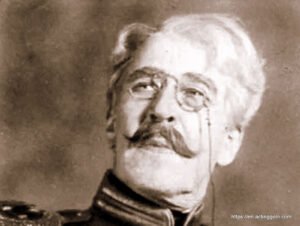
Childhood
Konstantin Stanislavski was born Konstantin Sergeevich Alexeyev on 17 January 1863 in Moscow, Russia, into a wealthy and cultured family. His mother, an accomplished pianist, and his father, a successful merchant, ensured Konstantin’s upbringing was both comfortable and intellectually stimulating. As the third of four children, he was known for his sensitive and introspective nature.
From an early age, Konstantin was introduced to theatre by his parents, who were enthusiastic theatre-goers. He was particularly captivated by the performances of the renowned French actor Coquelin and productions by the Moscow Art Theatre, which would later become an integral part of his career.
Training
In 1885, Konstantin began formal acting training at the Moscow Theatre School, where he studied under some of the most respected actors of his time, including Vladimir Davydov. Their friendship would go on to be a key part of his artistic journey.
At the theatre school, Konstantin developed a deep interest in the craft of acting, particularly in creating authentic and believable characters on stage. His fascination with this led him to experiment with various techniques to bring his ideas to life.
Career
After completing his studies, Konstantin joined the Maly Theatre in Moscow, where he quickly built a reputation as a talented and innovative actor. He soon expanded into directing and, in 1897, co-founded the Moscow Art Theatre alongside Vladimir Nemirovich-Danchenko.
The Moscow Art Theatre sought to revolutionise theatre by introducing a new level of realism and emotional depth. Under Konstantin’s leadership, the theatre introduced a fresh approach to acting, one rooted in an in-depth understanding of character psychology and motivations.
Special Contributions
Stanislavski’s most significant contribution to the world of theatre was the development of the “Method of Physical Action.” This method emphasised the use of physical movement and gesture to express a character’s emotional life, encouraging actors to explore the character’s physical and emotional states in depth. It also stressed the importance of ensemble acting, where the collective effort of the group enhanced the performance, rather than focusing solely on the individual actor.
Awards
Throughout his career, Konstantin received numerous prestigious accolades, including the Order of the Red Banner of Labour, the Order of Lenin, and the Stalin Prize. In 1935, he was honoured with the title of People’s Artist of the USSR.
Life History
Konstantin continued to work at the Moscow Art Theatre until his death in 1938. However, his legacy lives on through his students and the many actors and directors who have been influenced by his methods.
The principles and techniques developed by Stanislavski remain a cornerstone of modern acting, with his emphasis on honesty, authenticity, and ensemble work continuing to shape the way theatre is performed today.
Konstantin Stanislavski was a visionary whose revolutionary approach to theatre has had a lasting impact on the world. His dedication to acting, his innovative direction, and his commitment to authenticity have left an indelible mark on the art of performance.